Curtain Tracks & Rails
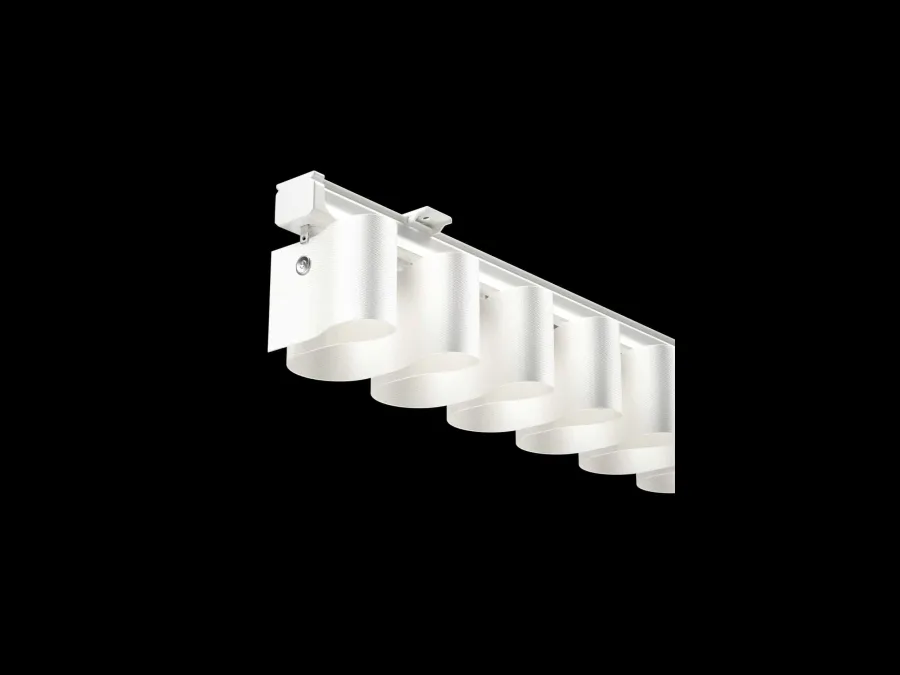
Single, double, wave-corded and motorised tracks, in ceiling or wall fix. Included with every curtain we make; also supplied on their own.
The parts nobody thinks about until one fails. Every made-to-measure order from us already includes the track, the runners, the hooks and the brackets — this page is for replacements and for anyone fitting their own.
Prices are for a standard 2m × 3m window, fully fitted — fabric, tailoring, track, accessories and installation included.
Single, double, wave-corded and motorised tracks, in ceiling or wall fix. Included with every curtain we make; also supplied on their own.
Decorative poles with brackets and finials, sized to the weight and the span. The visible alternative to a track, and what eyelet curtains hang on.
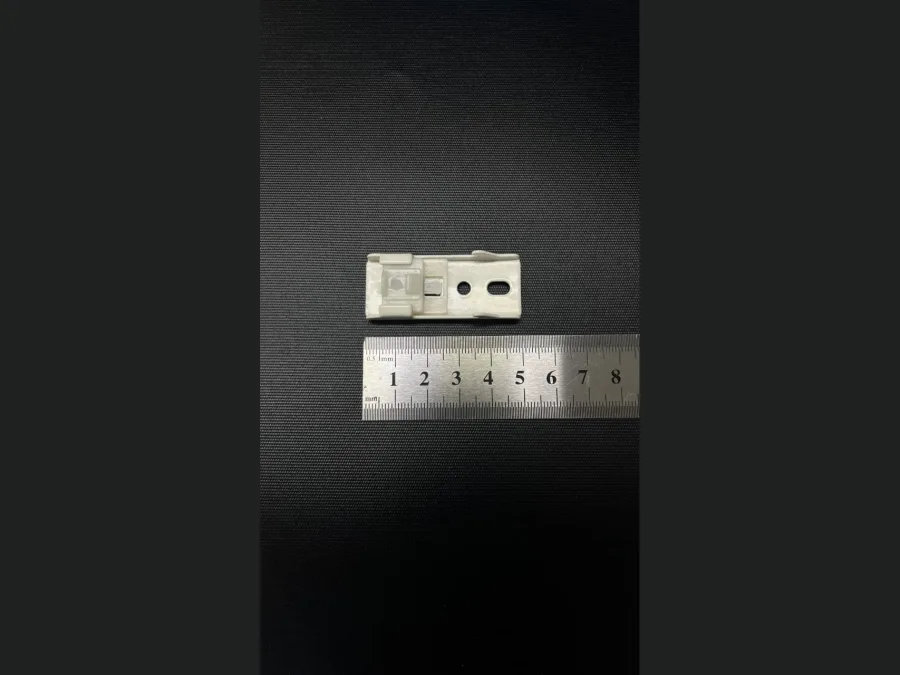
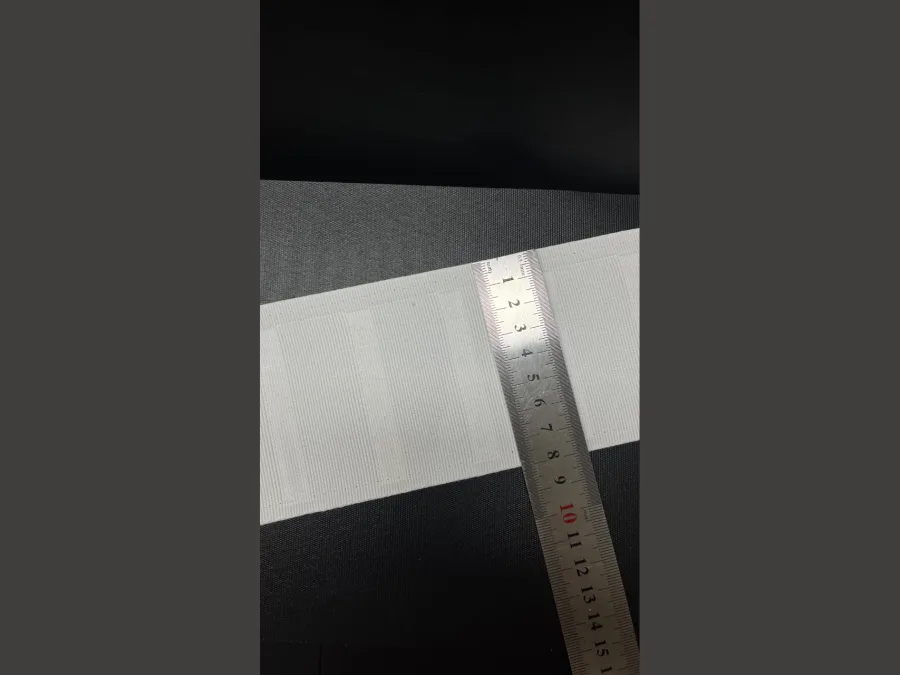
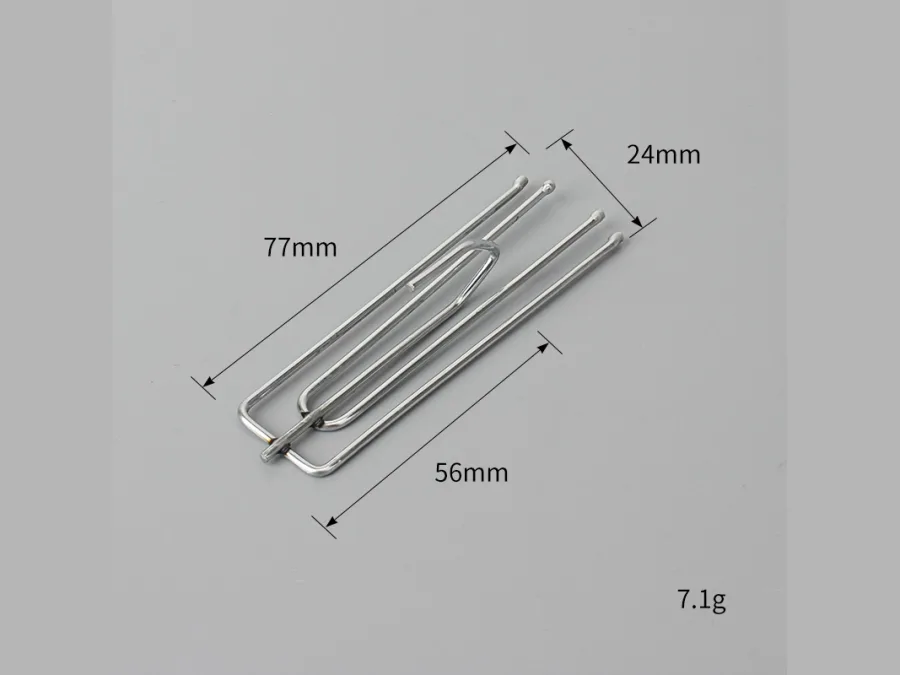
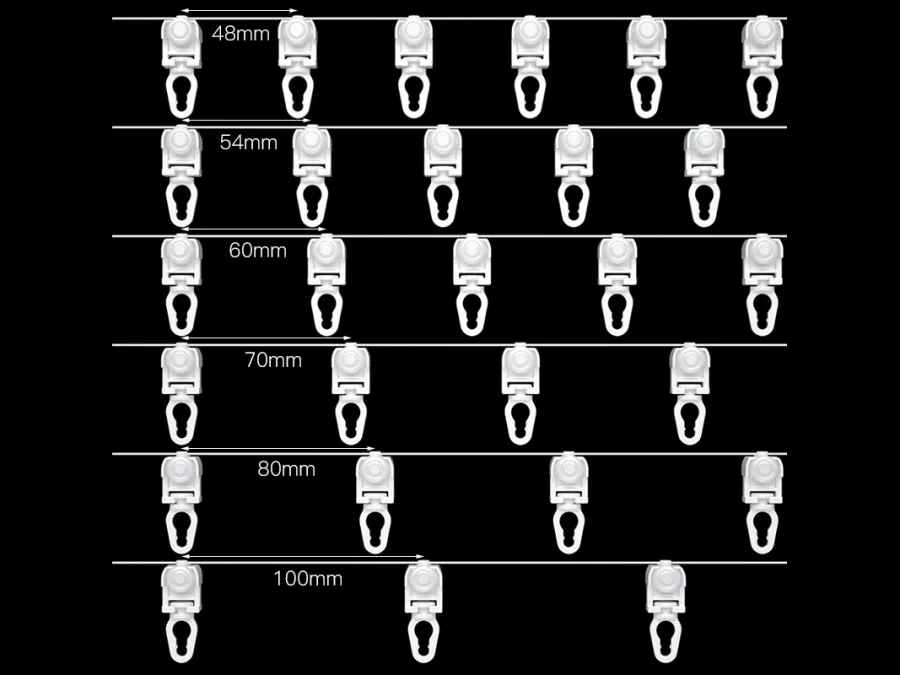
The small parts that everything depends on — runners, gliders, hooks, end stops, joiners and ceiling brackets. Replacements available separately.
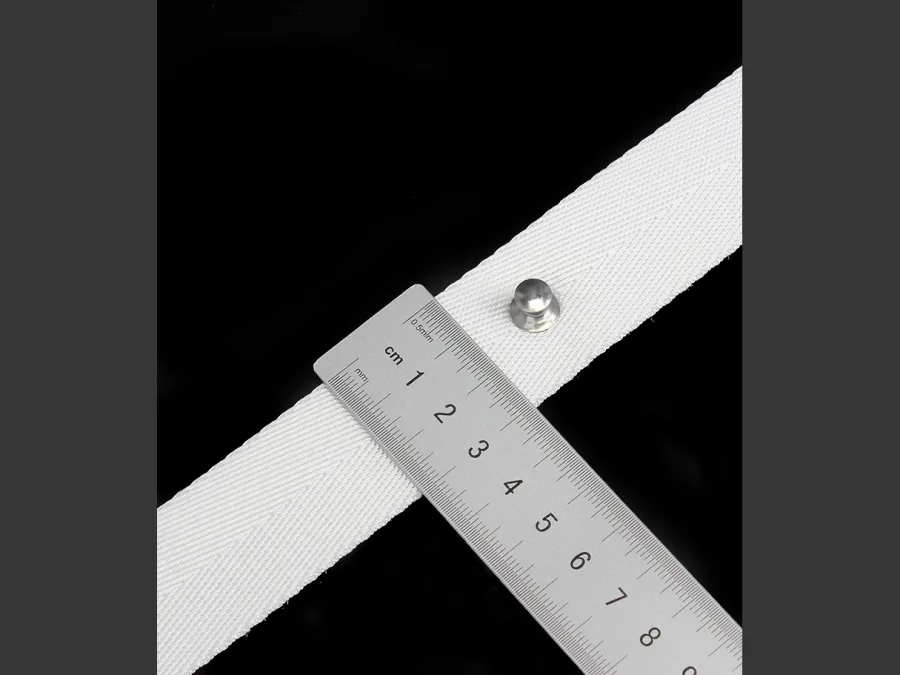
Rope tassels, fabric bands and metal holdbacks. Chosen at the home visit against the actual fabric, because this is the detail that goes wrong from a…
Every curtain we make starts the same way: our team arrives at your home with the fabric catalogues, measures the actual drop, and quotes one price…
Where a curtain is too soft for the room — a kitchen, a home office, a glass partition — a blind does the job in a fraction of the depth. We measure…
A curtain fails at the track long before it fails at the fabric. Heavy blackout on an under-specified rail will sag in the middle, bind on the runners, and eventually pull the brackets out of a plasterboard ceiling. We size the track to the weight of the finished curtain and the span it has to cross, and we fix into the slab or a proper anchor rather than into board alone.
A track is the discreet option: it recesses into a ceiling pocket or sits tight to the wall, and the curtain glides silently on runners. It is the right answer for wave and pinch pleat headings and for anything motorised. A rod is decorative — the pole and finials are meant to be seen, and it pairs with eyelet and tab-top curtains. Rods look better on a villa window with wall space above it; tracks look better in an apartment with a ceiling pocket.
Runners, hooks, end stops, ceiling or wall brackets, joining pieces for long spans, and overlap arms so a pair of curtains closes without a light gap in the middle. Tie-backs and holdbacks are chosen at the visit. Motors and remotes are on the motorised page.
Two numbers decide the track: the span it has to cross and the weight it has to carry. Span is the easy one — a track running the full width of a majlis window needs intermediate brackets and, past about three metres, a centre support, or it will bow visibly in the middle within a season. Weight is the one people underestimate. A pair of full-density blackout curtains at 2.0× fullness across a wide window is a surprising amount of cloth, and all of it hangs off the runners. That is why we specify an aluminium track for blackout rather than the light plastic rail that comes with a flat-pack pole set.
Layering changes the sum again. A sheer and a blackout on a double track is two curtains on one bracket, and the bracket has to be deep enough to hold the front rail clear of the back one so neither catches the other when it draws. A double bracket that is too shallow is the most common reason a layered pair drags.
Almost every apartment in a Dubai or Sharjah tower has a gypsum bulkhead below the structural slab, and the gap between them can be anything from a few centimetres to the depth of a services void. Screwing a loaded curtain track into that board alone is how brackets end up pulling out with a disc of plaster still attached. The fix is to find the slab and fix into it, to catch a timber or steel noggin where the ceiling was framed with one, or to use a properly rated cavity anchor where neither is reachable. Which of the three applies is something we establish on the measuring visit, not something anyone can tell from a photograph.
Villa ceilings are usually more forgiving, and villa windows usually have wall above the frame, which is what makes a decorative pole a real option there rather than only a track. Ceiling pockets — a recess built into the bulkhead for the track to sit in — are common in newer fit-outs and are the neatest result of all, but they set the drop for you: the curtain has to start where the pocket is.
Fabric outlasts hardware, and hardware fails in a predictable order. Runners go first, because they are the only part in constant motion; a curtain that has started to judder rather than glide almost always needs runners rather than anything more serious. Cords and wands are next. Overlap arms — the pair of crossing carriers that let the two curtains meet in the middle rather than butt against each other — get bent when a curtain is yanked, and once bent they leave exactly the centre light gap the overlap was fitted to close. End stops go missing and the leading runner rides off the end of the track.
All of those are replaceable without touching the curtain, and none of them needs the fabric to have come from us. Bring a photograph of the track end and, if you can, one runner off it: the profile of the glider is what identifies the system.
Nothing on this page is an upsell on a made-to-measure order. The track, the runners, the hooks, the brackets, the end stops and the overlap arm are all inside the one figure on your quote, along with the fitting — that is what the price promise means. This page exists because people also need parts on their own, for a curtain somebody else made or a rail that has finally given up.
Curtain tracks in Dubai are specified against the curtain that will hang on them rather than picked from a shelf: a triple-weave blackout at full drop is a different load from a chiffon sheer, and a track that suits one will sag under the other. Curtain rods in Dubai are the alternative where there is wall above the window and you want the hardware seen. Curtain hooks and brackets across the UAE are the parts nobody photographs and the first things to fail — a curtain that catches every time it is drawn is nearly always a glider or hook problem. Because the hardware is matched to the cloth, tracks, rods and fittings are quoted with the window rather than sold separately, and the fitting is included.
Hardware is the part of a curtain nobody photographs and the part that decides whether it works. A perfect curtain on the wrong track hangs badly, drags, lets light in at the sides and eventually sags. The choices below are made on the measuring visit, but knowing what is being decided makes that conversation far more useful.
A track is a channel the curtain hangs inside on gliders; a pole is a rod on brackets with rings. Where there is no wall above the glass — most apartments with floor-to-ceiling glazing — a ceiling mounted curtain track in Dubai is the usual answer and a pole has nowhere to go and the track fixes into the ceiling or the bulkhead. Where you want the hardware to be part of the look, a pole is a deliberate line rather than something that disappears. Anything layered needs a double track: two poles close together look like scaffolding. Track or pole works through the cases in detail.
This is the measurement that changes a room. The hardware should extend roughly 15–20 cm past the glass on each side, so the curtain has somewhere to stack that is not your window. Skip it and you lose a strip of daylight every morning, a slice of the view permanently, and — on a blackout — the light gap that no fabric can fix. On a wide opening the same principle applies proportionally: the wider the window, the more stack there is to park.
A concrete slab takes a ceiling-fixed track anywhere along its length. A false ceiling needs the fixing to reach something solid above the board, or a batten installed to fix into. A shallow bulkhead may not have the depth for a double track, which changes the layered-curtain plan and is better discovered before the fabric is cut than after. An AC vent directly above the window moves where the track can sit. None of these are unusual and all of them have solutions; they are simply decisions that have to be made standing in the room.
Track bends and poles do not, which settles bay windows and curved glazing immediately. A long run is better served by a track than a pole because the load is carried along its whole length rather than at two brackets, and a heavy blackout on a long pole will bow in the middle over time. Where a run is very long, a centre support or a split track is normal rather than a compromise.
The hardware is specified against the cloth that will hang on it: a triple-weave blackout at full length is a different load from a chiffon sheer. That is why tracks and fittings are quoted as part of the window rather than as a separate shopping list, and why the price we give covers the fabric, the track, the fittings and the fitting. You can see the range on tracks and rails and curtain rods, but which one your window needs is a decision for the measuring visit.
Collected after installation across Dubai, Sharjah and the northern emirates.
Pinch pleat in the formal sitting room. The folds are even across the whole width, which is the part cheap curtains always get wrong. They hung and dressed them properly before leaving.
Good blinds at a good price. I would have liked a wider colour choice in the roller range, but for the blackout function they do exactly what was promised.
They came all the way to RAK for two bedrooms and still gave me the same fixed price. Fitted in one visit.
Sheers for a small apartment on a budget. They were honest that I did not need a heavier fabric for a north-facing room instead of selling me the expensive book.
Fair work for a fair price. Delivery was a day later than first indicated but they called ahead rather than leaving me waiting.
Book 303 jacquard in the majlis. Guests keep asking where they came from. The pattern lines up across the two panels, which I did not think to ask about and they did anyway.
Simple eyelet curtains for a rented flat, and they were happy to do a small job without making me feel like a small customer.
Rollers for the kitchen and the study. Wipeable, compact, and the chain is on the side I asked for. Small thing, but they asked first instead of guessing.
I wanted something light for the majlis that still gave privacy from the street. The chiffon does both, and it does not look cheap up close.
Motorised blinds on the high windows in the stairwell — the ones I could never reach. Set to open at seven and close at sunset. Installed cleanly with no visible wiring.
Third quote I took and the only one that included the track, the fittings and the installation in one number. Nothing was added afterwards.
Whole ground floor. The centre overlap on the blackout panels means no light gap down the middle, which was exactly my complaint about the previous curtains.
Sample content while we collect the real thing. These are written to show the layout — they are not customers, no star rating is published to Google, and they are replaced in the back office as genuine feedback arrives.
Our team brings catalogues 301, 302, 303 and 401 to your door, measures every window, and quotes one fixed price covering fabric, track, accessories and fitting. The visit is free and there is no obligation.
Leave a number and pick a window. No form-filling, no obligation.
Pick up to four and we'll drop the actual cuttings to your door, free, anywhere we cover. Colour behaves completely differently against your own window — this is the only honest way to judge it without booking anything.